
Our cost management services involve a range of activities and processes aimed at controlling and optimizing the costs associated with construction projects. Through our know-how and processes, we aim to ensure balance between quality, schedule, and cost considerations while delivering successful construction projects. The key purpose is to enable clients make informed decisions and achieve their financial objectives while ensuring that the project meets its intended purpose and quality standards.
- The key components of construction cost management services, we offer, includes:
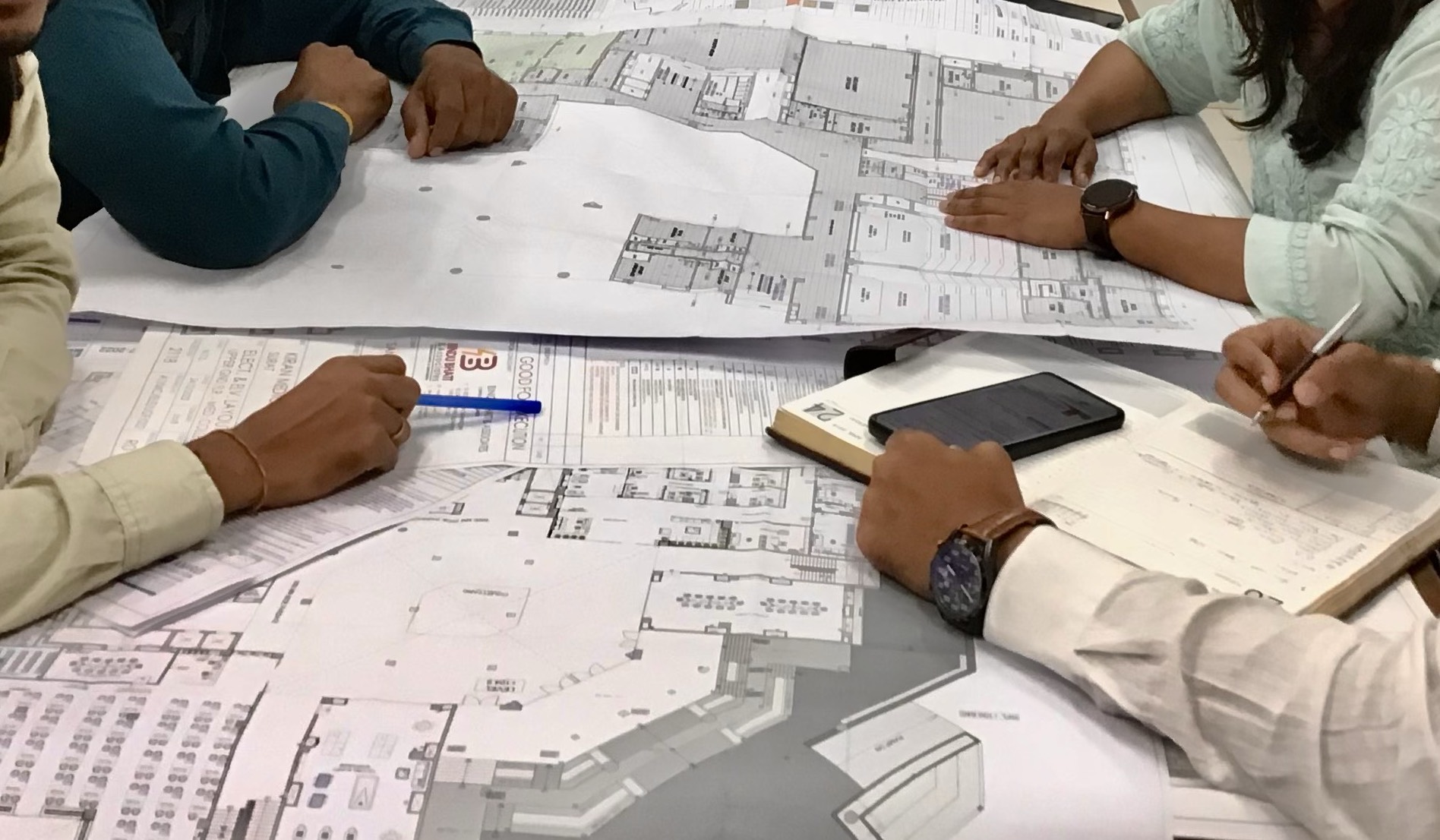
Cost Estimation :
- Preliminary Cost Estimates: Providing initial cost projections based on project concepts and rough designs.
- Detailed Cost Estimates: Creating more accurate estimates based on detailed project plans, specifications, and quantities.
Cost Planning :
- Developing a comprehensive cost plan that outlines the budget for different phases of the project.
- Identifying cost contingencies and allowances for unforeseen expenses.
Value Engineering :
- Analyzing design and construction options to identify cost-effective alternatives without compromising quality or functionality.
- Recommending changes or optimizations to save money while maintaining project objectives.
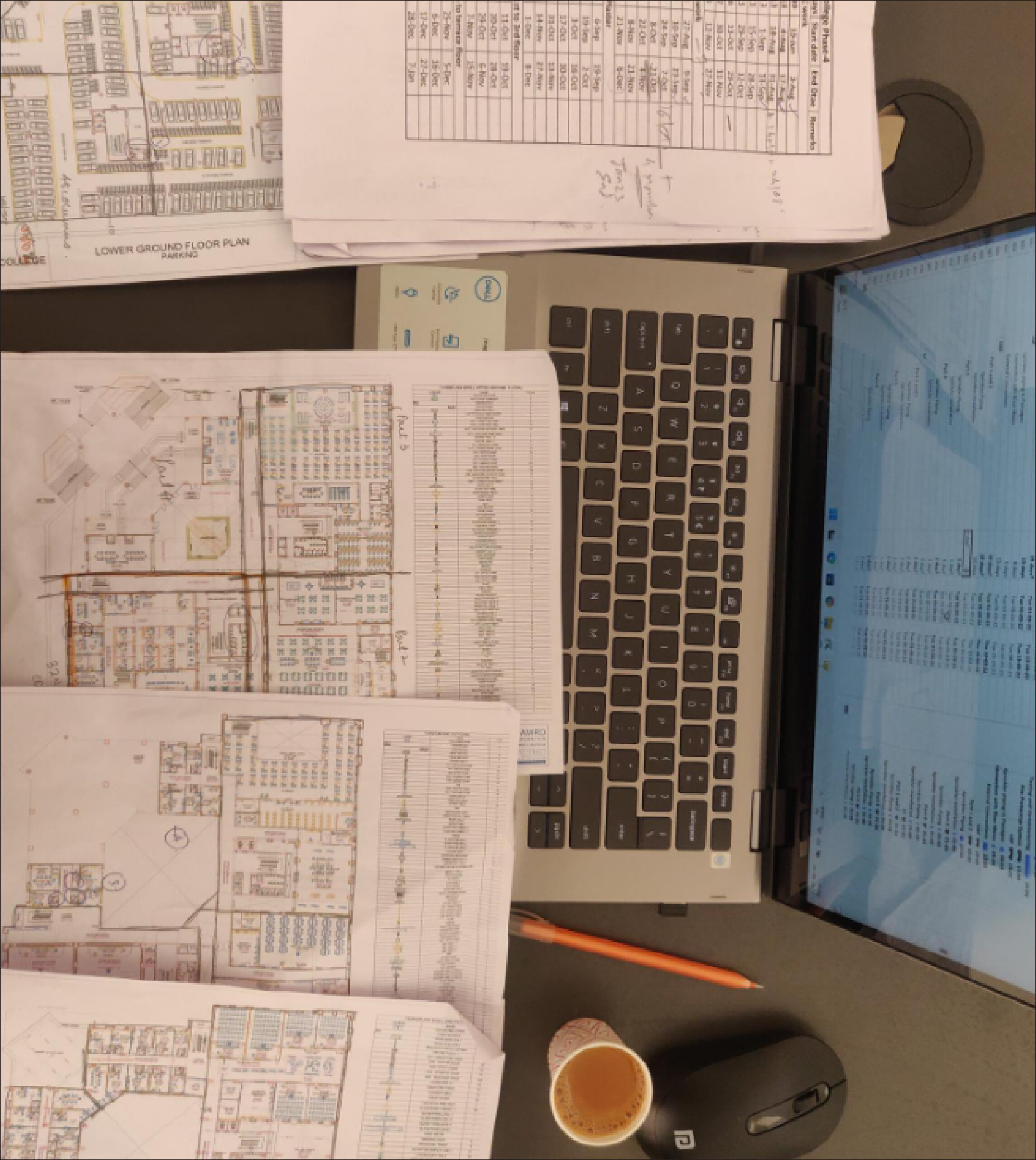
Cost Control :
- Monitoring and tracking project costs throughout the construction process.
- Implementing cost control measures to prevent cost overruns.
- Identifying and addressing cost variances and deviations from the budget.
Procurement and Contract Management :
- Advising on procurement strategies, such as selecting the appropriate contract types (e.g., lump-sum, cost-plus, design-build).
- Preparing bid documents and assisting with the contractor selection process.
- Managing contracts to ensure compliance and cost efficiency.
Client Communication and Consultation :
- Maintaining open and regular communication with the client to ensure alignment with their financial goals and expectations.
Life Cycle Cost Analysis :
- Evaluating the long-term costs associated with the project, including maintenance and operational costs.
- Assessing the economic feasibility of different construction materials, systems, or technologies.
Benchmarking and Industry Analysis :
- Comparing project costs to industry standards and historical data.
- Identifying areas where cost efficiencies can be achieved based on industry best practices.
Post-Construction Evaluation :
- Analyzing actual project costs against the initial budget and evaluating the accuracy of cost estimates and cost management strategies.
Change Order Management :
- Evaluating and processing change orders that may impact project costs.
- Assessing the validity of change requests and their associated costs.
Cost Reporting and Documentation :
- Regularly providing cost reports to the client, detailing expenses, commitments, and forecasts.
- Maintaining a record of all project-related financial transactions and documents.
Risk Assessment and Mitigation :
- Identifying potential risks that could affect project costs.
- Developing strategies to mitigate or manage these risks, including risk contingency planning.